 Pezym
Pezym
Pezym
Pezym
A comprehensive guide to understanding natural nutritional support and micronutrients for sustained well-being
Educational content only. No promises of outcomes.
Male wellness encompasses a comprehensive understanding of how various nutrients support bodily functions. This section explores the key vitamins and minerals that play crucial roles in physiological processes.
A fat-soluble vitamin that supports calcium absorption, immune function, and overall cellular health. Found naturally in sunlight exposure and certain food sources.
A group of water-soluble vitamins essential for energy metabolism, nervous system function, and cognitive performance.
An essential mineral involved in over 300 enzymatic reactions, supporting immune function, protein synthesis, and cellular growth.
A crucial mineral for muscle function, energy production, and nervous system regulation, contributing to overall physical and mental well-being.
Throughout history, various plant-based compounds have been studied for their potential to support human health and vitality. These botanical extracts contain diverse phytochemicals that interact with bodily systems in complex ways.
Modern research continues to explore the traditional uses of plants like adaptogens and antioxidants, understanding how they may contribute to resilience, stress management, and overall well-being.


Adaptogens are plants believed to help the body adapt to stress and maintain balance. Antioxidants are compounds that protect cells from oxidative damage, a process that occurs naturally in the body.
These botanical compounds are studied extensively in nutritional research, with particular attention to how they interact with the body's natural systems and contribute to sustained wellness.
Many cultures have long traditions of using specific plant roots, leaves, and extracts to support vitality and well-being. These historical practices provide context for modern nutritional science.
Understanding the cultural and historical significance of these plants adds depth to contemporary research on their potential health-supporting properties.

Physical vitality emerges from the interplay of nutrition, movement, and lifestyle choices. This section explores how these elements contribute to energy levels and physical endurance.

Mental clarity, focus, and emotional resilience are deeply connected to nutritional status and lifestyle practices. Research demonstrates that certain nutrients and habits significantly impact cognitive function and emotional well-being.
Omega-3 fatty acids, B vitamins, and minerals like magnesium play important roles in neurotransmitter synthesis and brain function.
Quality sleep is essential for cognitive function and emotional regulation. Nutrition can influence sleep quality through various mechanisms.
Lifestyle practices combined with proper nutrition help the body maintain balanced stress responses and emotional equilibrium.
A healthy digestive system is fundamental to overall wellness, as it determines how efficiently the body absorbs and utilizes nutrients. The gut microbiome plays a crucial role in this process.
The trillions of microorganisms in the digestive tract influence nutrient absorption, immune function, and overall health. Dietary choices directly impact microbial diversity and function.
Proper digestion ensures that vitamins and minerals are broken down and absorbed efficiently, allowing them to be utilized by body systems.
Fiber from whole foods supports digestive function and provides substrate for beneficial gut bacteria, contributing to overall wellness.

Antioxidants are compounds that help protect cells from oxidative stress, a natural process that occurs in the body. Understanding their role provides insight into how nutrition supports cellular health.
Many plant-based foods are rich sources of antioxidants, including vitamins C and E, polyphenols, and other phytochemicals that work synergistically to support cellular protection.
Essential minerals serve as structural components of bones, teeth, and tissues, while also participating in enzymatic reactions and cellular signaling. This section explores their fundamental roles.
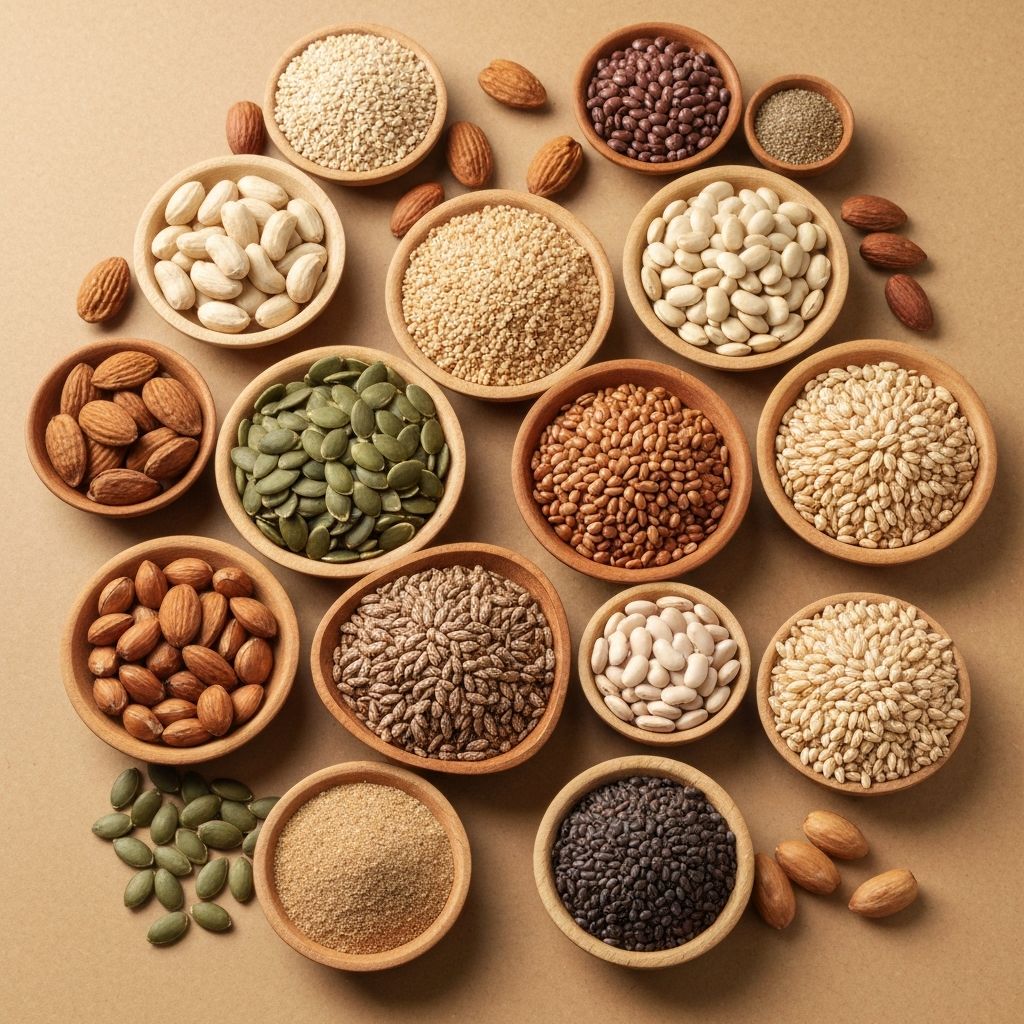
Water is essential for virtually every bodily function, from temperature regulation to nutrient transport. Proper hydration supports physical performance, cognitive function, and overall wellness.

Beyond nutrition, several lifestyle elements contribute significantly to male wellness. Sleep quality, stress management, physical activity, and social connections all play important roles in sustained well-being.
Consistent, restorative sleep is foundational to health. Sleep supports immune function, metabolic regulation, emotional processing, and physical recovery.
Movement supports cardiovascular health, muscle maintenance, bone density, mental clarity, and emotional resilience. Diverse forms of activity provide comprehensive benefits.
Chronic stress impacts numerous bodily systems. Practices like meditation, breathing exercises, and time in nature support stress resilience and overall balance.
Meaningful relationships and social engagement support emotional health, resilience, and longevity. Community connection is integral to sustained wellness.

The information presented on this site is educational in nature and provides general information about male wellness, nutrition, and lifestyle. This content: