 Pezym
Pezym
Pezym
Pezym
This comprehensive overview provides educational information on various natural components, their sources, and their general physiological roles. All information is presented purely for educational purposes.
Minerals are inorganic substances that play fundamental roles in human physiology. This section explores key minerals and their natural sources.
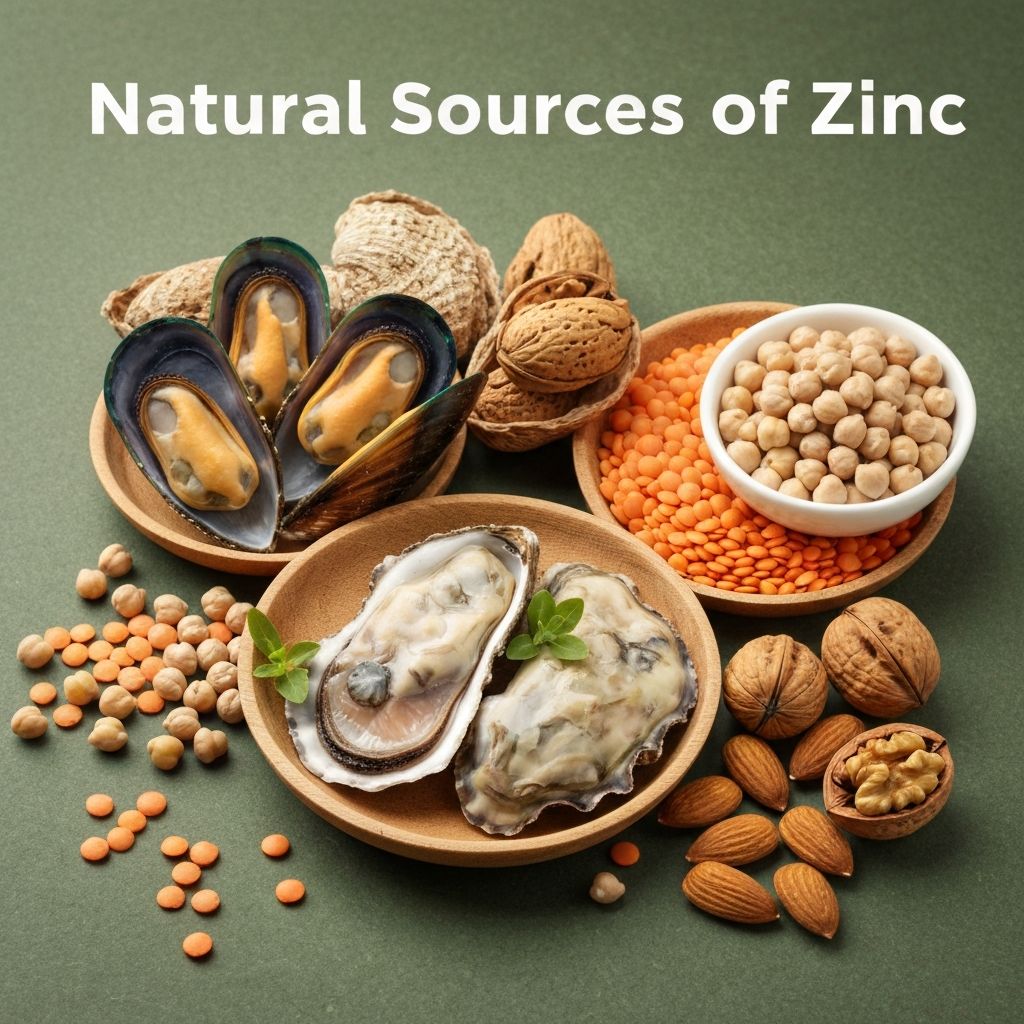
Zinc is an essential mineral involved in numerous physiological processes. It supports normal immune system function, contributes to normal cognitive function, and participates in cellular growth and repair.
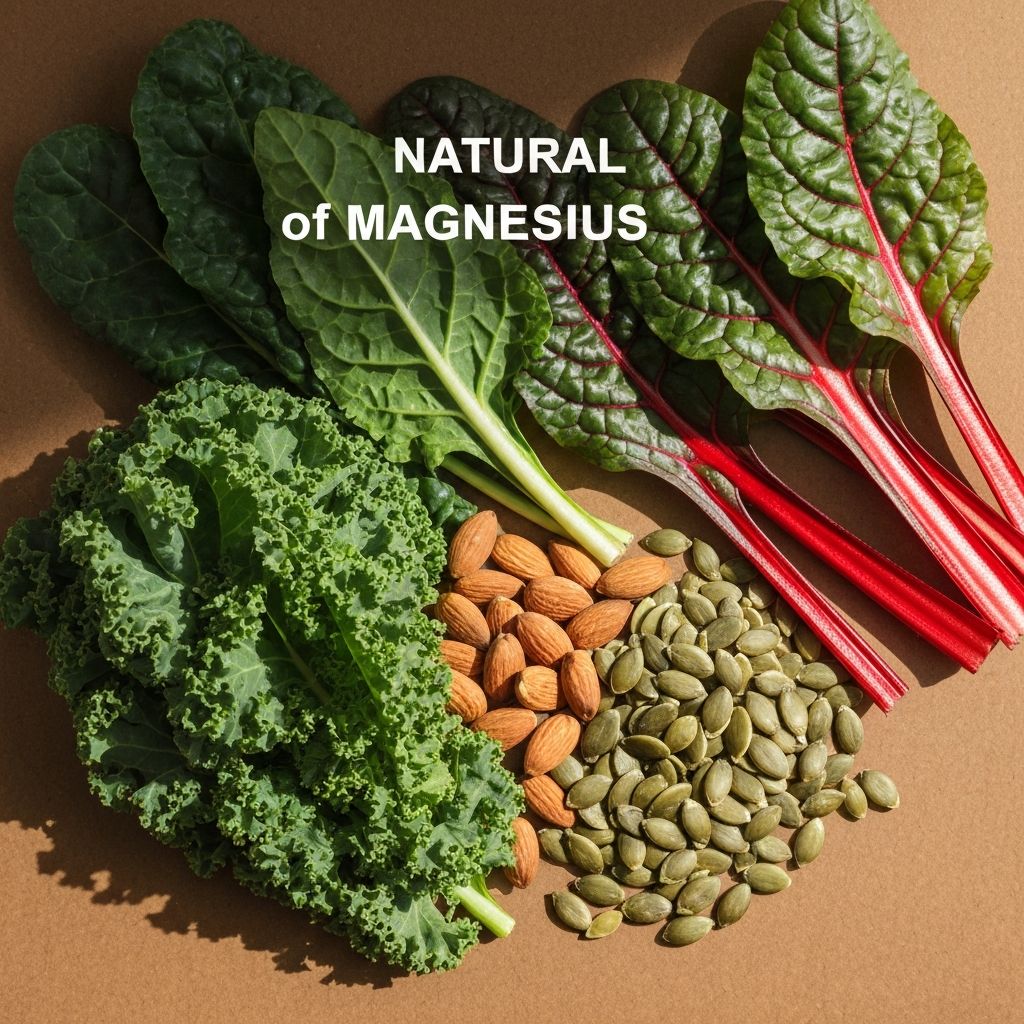
Magnesium is a crucial mineral involved in over 300 enzymatic reactions in the human body. It plays essential roles in muscle function, energy production, and nervous system regulation.
Vitamins are organic compounds necessary for numerous bodily functions. This section provides educational information on key vitamins supporting male wellness.
Vitamin D is a fat-soluble vitamin that functions both as a nutrient and as a hormone in the body. It plays crucial roles in calcium absorption and immune system function.


B-complex vitamins are a group of water-soluble vitamins that play essential roles in energy metabolism, nervous system function, and cellular processes.
Various plant-based compounds have been studied for their general health-supporting properties. This educational section explores their traditional uses and contemporary research context.
Adaptogens are plants believed to help the body adapt to stress and maintain physiological balance. Traditional and contemporary research explores their role in supporting resilience and well-being.
Antioxidant compounds found in plants help protect cells from oxidative stress. These are abundant in colorful fruits, vegetables, and plant extracts.
Polyphenols are diverse plant compounds with potential health-supporting properties. They are found in abundance in herbal extracts, fruits, and vegetables.
All information presented in this catalog is educational in nature. This content: